Introduction
Everyone loves pancakes. They are soft, sweet, and easy to make at home. Families enjoy them for breakfast worldwide. The secret lies in texture. Fluffy pancakes taste better, look appealing, and feel light. Many beginners struggle with flat pancakes. That problem is common but easily solved. Correct ingredients and techniques ensure success. Fluffy pancakes require precise mixing and cooking. Heat plays a huge role. Timing matters equally. You can achieve great results with simple steps. This guide explains everything clearly. It will help both beginners and experts. Learning the basics ensures confidence. Advanced tips provide professional-level results.Visit my site Let’s dive into the delicious process.
Why Fluffy Pancakes Are Special
Pancakes come in many forms. Some are thin like crepes, while others are thick and fluffy. Fluffy pancakes hold air inside. That air makes them rise tall and soft. Their golden brown surface looks inviting. Each bite feels light and sweet. Families often prefer them during holidays. Children enjoy them with chocolate syrup. Adults love them with fresh fruits. Restaurants highlight them on breakfast menus. Social media also features fluffy pancakes often. Their visual appeal increases their popularity. Fluffy pancakes make mornings happier. They bring comfort to everyone. Their aroma creates warmth in kitchens. That is why learning them matters.
Ingredients You Need
Great pancakes start with good ingredients. Use fresh flour for best results. All-purpose flour works perfectly. Baking powder is essential for rising. Eggs provide structure and richness. Sugar adds sweetness. Salt balances flavors. Milk adds moisture and smoothness. Butter improves taste and texture. Vanilla extract gives fragrance. Fresh fruits or nuts create variety. Chocolate chips bring sweetness. Honey or maple syrup act as toppings. Whipped cream adds beauty. Powdered sugar gives finishing touch. Always use fresh ingredients. Old products ruin pancakes. Correct ratios matter for balance. Preparation before cooking saves time. Keep everything ready before mixing.
Step-by-Step Preparation
Start by gathering ingredients. Measure everything accurately. Mix dry items like flour, sugar, salt, and baking powder first. Keep them separate from wet items. In another bowl, whisk eggs, milk, melted butter, and vanilla. Combine wet and dry mixtures gently. Do not overmix the batter. Overmixing removes air and creates flat pancakes. Leave small lumps for better texture. Rest the batter for ten minutes. Resting helps baking powder activate. Use a non-stick pan for cooking. Grease it lightly with butter or oil. Heat should be medium, not high. Ladle small batter portions carefully. Keep sizes consistent. Watch for bubbles forming.
Cooking the Pancakes
Cooking requires patience. When bubbles appear, flip pancakes carefully. Flip only once to avoid toughness. Cook until both sides turn golden. Stack pancakes on a warm plate. Keep them covered to stay soft. Avoid pressing with spatulas. Pressing removes air inside. Each pancake should be evenly thick. Use the same ladle size. Serve immediately for freshness. Freshly made pancakes taste best. Reheating reduces fluffiness. You can store leftovers in the fridge. Wrap them in foil or cling film. Reheat using a toaster or microwave. Avoid overcooking during reheating. Add syrup or toppings right before serving. Enjoy with coffee or juice.
Tips for Perfect Fluffiness
Always use fresh baking powder. Expired powder reduces rising power. Do not skip resting the batter. It improves fluffiness naturally. Cook at medium heat. High heat burns pancakes outside quickly. Low heat leaves them raw inside. Flip pancakes gently with a wide spatula. Do not shake or press them. Use whole milk for richer flavor. If lactose-intolerant, try almond or oat milk. Eggs should be at room temperature. Cold eggs create uneven mixing. Butter should melt but not burn. Grease pans lightly to avoid stickiness. Practice improves technique. Consistency comes with experience. Small details create big differences.
Variations of Pancakes
Classic fluffy pancakes taste amazing. But variations make them exciting. Add blueberries for fruity flavor. Try bananas for sweetness and softness. Add chocolate chips for children. Cinnamon creates warmth. Pumpkin puree gives seasonal taste. Add oats for healthier options. Yogurt improves texture and nutrition. Protein powder makes them fitness-friendly. Nuts bring crunch. Lemon zest adds freshness. Caramel sauce creates richness. Matcha powder adds uniqueness. Coconut flakes bring tropical taste. Peanut butter adds creaminess. Experiment with spices and syrups. Every variation changes flavor. Creativity keeps pancakes interesting. Serve different types for family fun. Pancakes adapt to everyone’s tastes.
Common Mistakes to Avoid
Beginners often make mistakes. They overmix the batter. Overmixing removes air bubbles. They cook on very high heat. That burns pancakes quickly. Some forget to grease pans lightly. Sticky pans ruin pancakes. Others use expired baking powder. That reduces rising ability. Resting time is often skipped. Without resting, pancakes remain flat. Some flip pancakes too early. Early flipping breaks pancakes. Some press pancakes with spatulas. That removes fluffiness instantly. Accuracy in measurements is ignored. Wrong ratios destroy texture. Always follow steps carefully. Avoiding mistakes ensures perfect results. Pancakes require patience and attention. Practice builds skill.
Serving and Presentation
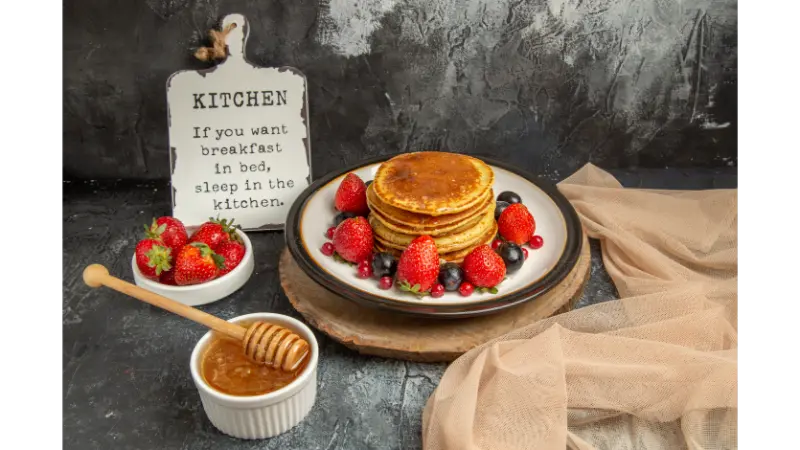
Presentation increases enjoyment. Stack pancakes neatly. Dust with powdered sugar. Drizzle with maple syrup. Add whipped cream for beauty. Fresh fruits make plates colorful. Strawberries, bananas, or blueberries work perfectly. Nuts add crunch on top. Chocolate sauce creates sweetness. Honey provides natural taste. Yogurt balances richness. Ice cream makes desserts. Use small bowls for toppings. Keep syrups warm for better texture. Serve with coffee, tea, or juice. Use bright plates for contrast. Garnish with mint leaves. Photos look great for sharing. Beautiful pancakes attract compliments. Presentation makes ordinary pancakes extraordinary. Small touches create happiness.
Conclusion
Learning how to make fluffy pancakes is easy with correct steps. Anyone can master it with practice. Ingredients must be fresh and balanced. Techniques require patience and attention. Resting time ensures fluffiness. Medium heat guarantees even cooking. Flipping once prevents toughness. Variations add creativity. Mistakes must be avoided carefully. Serving with style enhances experience. Pancakes bring families together. They create joyful mornings. Their versatility makes them loved worldwide. Simple ingredients turn into magical dishes. Fluffy pancakes taste light, airy, and delicious. Once learned, you never forget. Practice makes them better daily. Try them today and enjoy.
FAQs
Q1. What makes pancakes fluffy?
Fresh baking powder, resting time, and gentle mixing create fluffy pancakes.
Q2. Can I use whole wheat flour?
Yes, but results may be heavier. Mix with all-purpose flour for balance.
Q3. Why should I rest the batter?
Resting activates baking powder and relaxes gluten, creating softer pancakes.
Q4. Can I make pancakes without eggs?
Yes, use mashed bananas, yogurt, or flaxseed mixture as substitutes.
Q5. How do I prevent sticking?
Use non-stick pans and grease lightly with butter or oil.
Q6. Can I store pancakes?
Yes, refrigerate wrapped pancakes for two days and reheat before serving.